
Zimbabwe is one of Africa’s most diverse and rewarding safari destinations, where spectacular wildlife, dramatic landscapes, and a deep cultural heritage all come together. The country is home to some of the best wildlife viewing in Africa, including thriving populations of elephants, lions, buffalo, and endangered species like the black rhino. Its national parks, such as Hwange and Gonarezhou, offer a wide variety of ecosystems, from vast savannas to dense woodlands, providing an ideal habitat for an array of species.
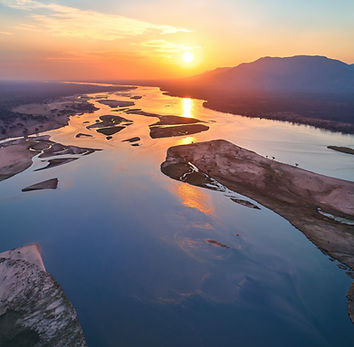
Zimbabwe’s defining natural landmark is the Zambezi River, which shapes much of the country’s landscape. The Victoria Falls, one of the Seven Natural Wonders of the World, offers a breathtaking view as water plummets over the edge into the gorge below, sending plumes of spray into the air. Nearby, Mana Pools National Park provides a pristine wilderness experience where guests can enjoy canoe safaris down the Zambezi, watching elephants, buffalo, and hippos from the water. Lake Kariba, Africa’s largest man-made lake, offers a unique safari experience, where houseboats glide past elephants and crocodiles along the shore, and fishing enthusiasts can cast their lines in search of tigerfish.
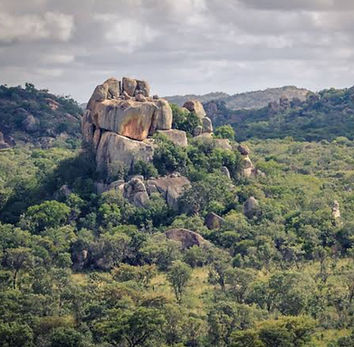
Zimbabwe’s interior is equally captivating. Hwange National Park is the country’s largest reserve and is renowned for its massive elephant herds. It is also home to a range of predators, such as lions, leopards, and wild dogs. Gonarezhou National Park is one of Africa’s last untouched wilderness areas, offering rugged terrain, scenic views, and diverse wildlife. In the Matobo Hills, ancient rock formations meet a rich history, with San rock art and Cecil Rhodes' grave offering a glimpse into the country's past, alongside exceptional wildlife, including both black and white rhinos.
Zimbabwe is also famous for its exceptional walking safaris. The country’s guides are among the best in the world, and walking safaris in places like Hwange and Mana Pools allow travellers to get closer to nature, with experts leading on-foot encounters with big game. Whether following a herd of elephants, observing a pride of lions, or tracking wild dogs, the experience is intimate and thrilling.
For those who enjoy history, Zimbabwe offers rich cultural and archaeological experiences. From the ancient ruins of Great Zimbabwe, once the capital of a powerful empire, to the ancient rock art in the Matobo Hills, there’s a deep connection to the past that adds a fascinating layer to any safari adventure.
With a combination of luxury lodges, classic tented camps, and self-drive options, Zimbabwe caters to all types of travellers. Whether seeking adventurous wildlife encounters, breathtaking landscapes, or cultural immersion, Zimbabwe offers an authentic and unforgettable experience that stands out as one of Africa’s most extraordinary safari destinations.
WHY WE LOVE ZIMBABWE

INCREDIBLE GAME VIEWING
BIG 5 reserves offering close-up encounters with wildlife

WORLD CLASS RESERVES
Some of the finest and most diverse reserves in Africa

VICTORIA FALLS
A UNESCO WORLD HERITGE SITE
The world's largest waterfall and Africa's top tourist attraction

REMOTE & UNTOUCHED
Less crowded,
offering a wilder, more authentic experience

HISTORY & HERITAGE
Rich cultural and historical significance

ADVENTURE ACTIVITIES
Fishing, rafting, bungee-jumping, camping
ZIMBABWE ATTRACTIONS




WHEN IS THE BEST TIME TO VISIT ZIMBABWE

Zimbabwe experiences a variety of climates, with distinct wet and dry seasons, making the best time to visit dependent on what you want to experience.
The dry season (May to October) is the most popular time for wildlife safaris, as animals concentrate around waterholes, making for excellent game viewing. The cooler months of May and June are particularly favourable, offering mild temperatures and clear skies. The peak safari period is from July to September when animals gather in larger numbers, particularly in national parks like Hwange, where waterholes become hotspots for sightings. This is also the best time to visit Victoria Falls for dramatic views, as the lower water levels allow for clearer views of the falls and surrounding rock formations. However, this is a busy period, as both the falls and the national parks see higher tourist numbers.
The wet season (November to April) is less popular for safaris due to the heavy rainfall that can make roads difficult and reduce visibility. However, this is when the landscape turns lush and green, and migratory birds are abundant, offering a unique experience for keen birders. The rains also mark the birth season for many species, leading to increased predator activity. While wildlife is more dispersed, the quieter atmosphere makes for a more peaceful and intimate experience in the parks.
Visiting Victoria Falls during the wet season (April and May) offers the spectacle of the falls at their most powerful, with the Zambezi River at its fullest. However, the intense spray can sometimes obscure the view, and certain viewpoints may be inaccessible. This period is also a busy time at the falls, as many tourists are eager to witness the thundering water. The shoulder months, just before and after the peak wet season, can offer a good balance of impressive water levels, fewer crowds, and reasonable weather.
The transitional months—April, May, November, and December—offer a balance of good weather, reasonable prices, and decent wildlife viewing. While the wet season sees reduced wildlife sightings due to the abundance of water, the months before and after can provide a quieter experience with fewer tourists, allowing visitors to explore both the falls and Zimbabwe’s national parks at their own pace.
ZIMBABWE SAFARIS
CLICK ON EACH IMAGE TO VIEW THE ITINERARIES